Text & Translation
Die gefangenen Sänger
German source:
August Wilhelm von Schlegel
Die Gebüsche wiederhallen?
Sieh’, es kam der holde Mai.
Jedes buhlt um seine Traute,
Schmelzend sagen alle Laute,
Welche Wonn’ im Lieben sei.
And’re, die im Käfig leben,
Hinter ihren Gitterstäben,
Hören draussen den Gesang;
Möchten in die Freiheit eilen,
Frühlingslust und Liebe teilen:
Ach, da hemmt sie enger Zwang.
Und nun drängt sich in die Kehle
Aus der gramzerrissnen Seele
Schmetternd ihres Lieds Gewalt,
Wo es, statt im Weh’n der Haine
Mit zu wallen, an der Steine
Hartem Bau zurücke prallt.
So, im Erdental gefangen,
Hört der Menschen Geist mit Bangen
Hehrer Brüder Melodie;
Sucht umsonst zu Himmelsheitern
Dieses Dasein zu erweitern,
Und das nennt er Poesie.
Aber scheint er ihre Rhythmen
Jubelhymnen auch zu widmen,
Wie aus lebenstrunkner Brust:
Dennoch fühlen’s zarte Herzen,
Aus der Wurzel tiefer Schmerzen
Stammt die Blüte seiner Lust.
The captured singers
English translation ©
Richard Wigmore
with the nightingales’ song?
See, fair May is here.
Every creature woos his sweetheart;
every sound sweetly declares
what bliss there is in love.
Others, who live in cages,
behind bars,
hear the song outside;
they would dearly like to fly to their freedom,
to share in love and the joys of spring:
but, alas, force keeps them closely confined.
And now, bursting from their grief-stricken souls,
the power of their song
wells up in their throats;
but, instead of soaring amid the swaying trees,
it rebounds from the hard stone
of the walls.
Thus, captive in this vale of earth,
man’s spirit hears with longing
the songs of his noble brothers;
he seeks in vain to expand this earthly life,
to embrace the serene joys of heaven,
and he calls this Poetry.
But, if he appears to dedicate its rhythms
to hymns of praise,
as from a heart intoxicated with life,
yet do tender hearts feel
that the flower of his joy
springs from the root of deep suffering.
Die gefangenen Sänger
German source:
August Wilhelm von Schlegel
The captured singers
English source:
Richard Wigmore
Hörst du von den Nachtigallen
Do you hear the bushes echoing
Die Gebüsche wiederhallen?
with the nightingales’ song?
Sieh’, es kam der holde Mai.
See, fair May is here.
Jedes buhlt um seine Traute,
Every creature woos his sweetheart;
Schmelzend sagen alle Laute,
every sound sweetly declares
Welche Wonn’ im Lieben sei.
what bliss there is in love.
And’re, die im Käfig leben,
Others, who live in cages,
Hinter ihren Gitterstäben,
behind bars,
Hören draussen den Gesang;
hear the song outside;
Möchten in die Freiheit eilen,
they would dearly like to fly to their freedom,
Frühlingslust und Liebe teilen:
to share in love and the joys of spring:
Ach, da hemmt sie enger Zwang.
but, alas, force keeps them closely confined.
Und nun drängt sich in die Kehle
And now, bursting from their grief-stricken souls,
Aus der gramzerrissnen Seele
the power of their song
Schmetternd ihres Lieds Gewalt,
wells up in their throats;
Wo es, statt im Weh’n der Haine
but, instead of soaring amid the swaying trees,
Mit zu wallen, an der Steine
it rebounds from the hard stone
Hartem Bau zurücke prallt.
of the walls.
So, im Erdental gefangen,
Thus, captive in this vale of earth,
Hört der Menschen Geist mit Bangen
man’s spirit hears with longing
Hehrer Brüder Melodie;
the songs of his noble brothers;
Sucht umsonst zu Himmelsheitern
he seeks in vain to expand this earthly life,
Dieses Dasein zu erweitern,
to embrace the serene joys of heaven,
Und das nennt er Poesie.
and he calls this Poetry.
Aber scheint er ihre Rhythmen
But, if he appears to dedicate its rhythms
Jubelhymnen auch zu widmen,
to hymns of praise,
Wie aus lebenstrunkner Brust:
as from a heart intoxicated with life,
Dennoch fühlen’s zarte Herzen,
yet do tender hearts feel
Aus der Wurzel tiefer Schmerzen
that the flower of his joy
Stammt die Blüte seiner Lust.
springs from the root of deep suffering.
Composer
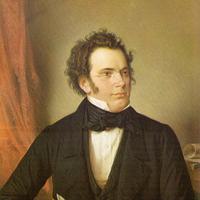
Franz Schubert
Franz Peter Schubert was an late Classical and early Romantic composer. He produced a vast oeuvre during his short life, composing more the 600 vocal works (largely Lieder), and well as several symphonies, operas, and a large body of piano music. He…
Poet
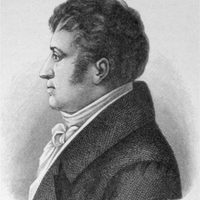
August Wilhelm von Schlegel
August Wilhelm (after 1812: von) Schlegel, usually cited as August Schlegel, was a German poet, translator, critic, and a foremost leader of Jena Romanticism along with his brother Friedrich Schlegel. His translations of Shakespeare made the English…